

Foods for Prostate Health What to Eat, What to Avoid, and Why It Matters

As someone who has spent years studying men’s health and nutrition, I’ve seen first hand how the right choices, especially foods for prostate health, can make a real difference in protecting the prostate. The prostate may be small, but its impact on urinary function, sexual health, and overall well-being is enormous. Too often, men wait until problems appear before taking action but I believe prevention is the smartest approach.
From cruciferous vegetables and berries to fatty fish and green tea, simple dietary changes can reduce inflammation, lower cancer risk, and improve quality of life. In this article, I’ll share the best and worst foods for prostate health, explain why it matters, and give you practical lifestyle tips that are easy to follow. If you’re ready to take charge of your prostate health naturally, this guide will show you how. Together, we’ll uncover small daily changes that lead to long-lasting benefits. Your prostate health is in your hands, and it starts with what’s on your plate.
Best Foods for Prostate Health
Cruciferous Vegetables
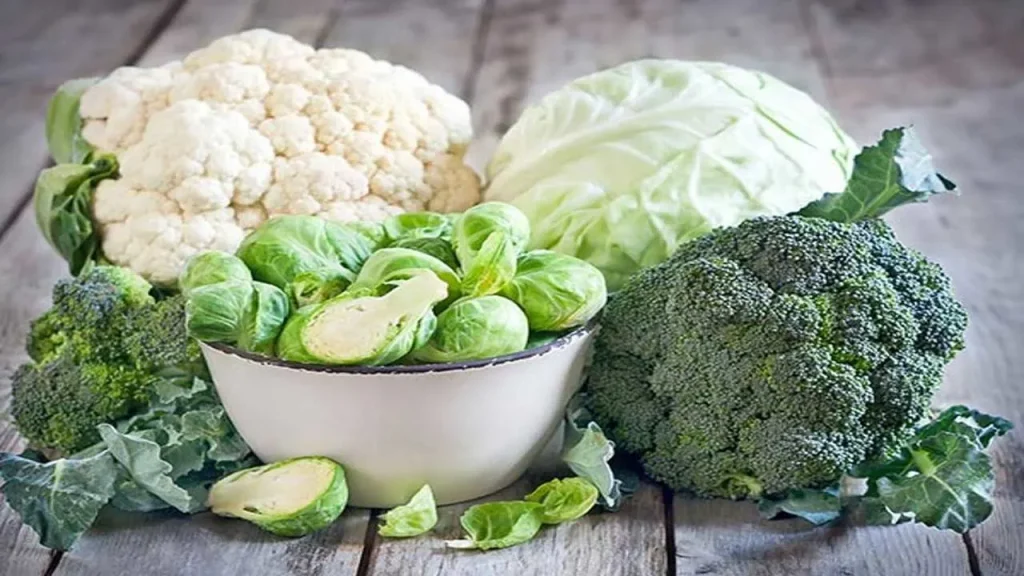
Vegetables such as broccoli, cauliflower, kale, cabbage, bok choy, and Brussels sprouts are some of the most powerful foods for prostate health. They are packed with fiber, vitamins C and K, and special compounds like sulforaphane and indoles, which have strong anticancer properties. Studies suggest that men who regularly eat cruciferous vegetables may lower their risk of developing advanced prostate cancer and support overall wellness.
Health Benefits:
- Reduce chronic inflammation in the body, which is linked to prostate enlargement and cancer.
- Protect prostate cells from DNA damage caused by free radicals.
- Support hormone balance, which may slow the growth of prostate tumors.
- Strengthen the immune system and improve detoxification.
How to Include Them:
- Lightly steam broccoli and drizzle with olive oil to release maximum nutrients.
- Add cabbage or bok choy to stir-fries for a crunchy, flavorful boost.
- Enjoy roasted Brussels sprouts as a side dish with garlic or herbs.
- Blend kale into smoothies or use it as a base for salads.
Berries and Antioxidant-Rich Fruits
Berries such as strawberries, blueberries, raspberries, and blackberries are rich in natural compounds that make them excellent foods for prostate health. They are loaded with vitamin C, anthocyanins, and flavonoids, which act as antioxidants to fight free radicals that damage cells. Regular consumption of berries may reduce the risk of benign prostatic hyperplasia (BPH), slow prostate cancer progression, and support overall wellness.

Health Benefits:
- Strengthen the immune system and reduce oxidative stress.
- Improve blood circulation, which supports both urinary and sexual health.
- Help reduce inflammation linked to prostate enlargement.
- Provide fiber that supports digestion and weight management both important for prostate function.
How to Include Them:
- Add fresh berries to smoothies, yogurt, or oatmeal for a nutrient-packed breakfast.
- Enjoy them as a light snack during the day instead of processed sweets.
- Mix different berries into fruit salads for a refreshing dessert.
- Use frozen berries for sauces or healthy baking recipes.
Tomatoes and Lycopene-Rich Foods
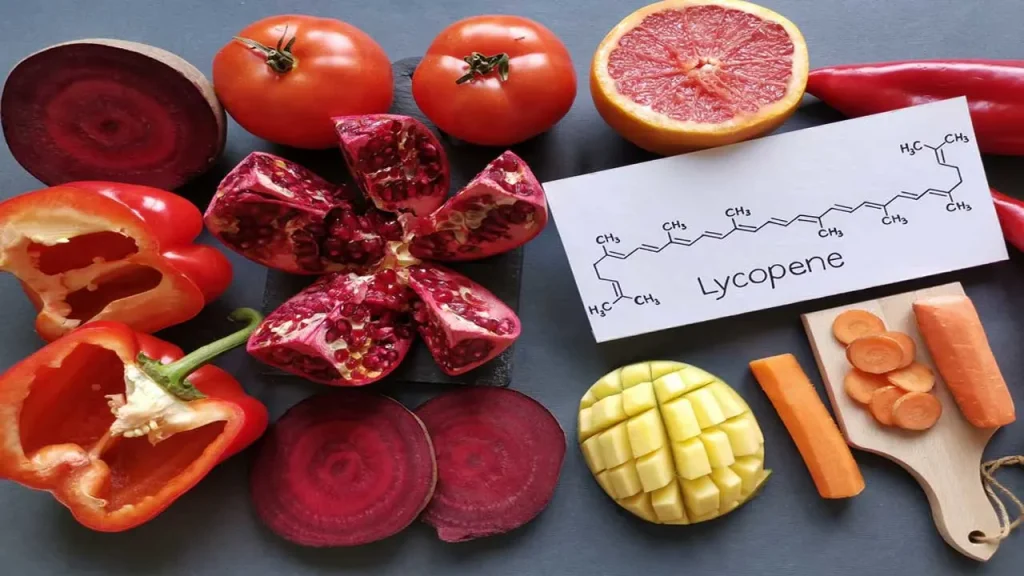
Tomatoes are well known for being one of the richest sources of lycopene, making them one of the most valuable foods for prostate health. Lycopene is a powerful antioxidant that supports prostate wellness, lowers inflammation, and protects cells from oxidative damage. It has been linked to a reduced risk of prostate cancer and may also help slow the growth of abnormal cells in the gland. Studies suggest that men who regularly eat lycopene-rich foods, such as tomatoes, have lower chances of developing advanced prostate cancer.
Health Benefits:
- Helps lower PSA (prostate-specific antigen) levels, a marker used to track prostate problems.
- Neutralizes free radicals, protecting prostate cells from oxidative stress.
- Supports heart health, which is closely linked to overall prostate function.
- Works best when combined with healthy fats, such as olive oil, which improves absorption.
Best Sources of Lycopene:
- Tomato paste and sauces, especially when cooked with olive oil.
- Sun-dried tomatoes, which are highly concentrated in lycopene.
- Watermelon, papaya, and pink grapefruit, all excellent non-tomato sources.
- Tomato juice or soups, which provide an easy and tasty way to boost daily intake.
Fatty Fish and Omega-3 Fatty Acids
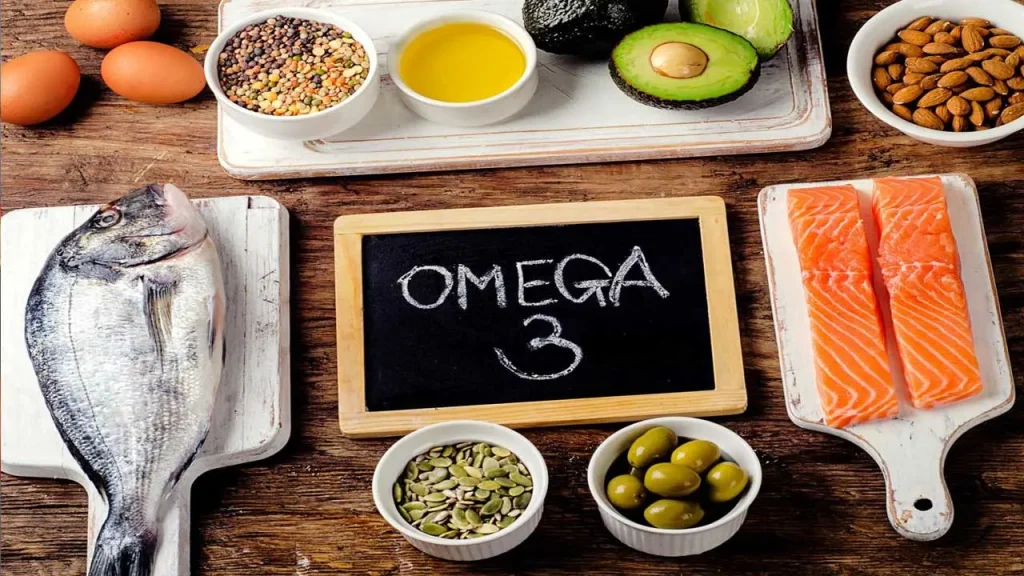
Fatty fish such as salmon, sardines, mackerel, trout, and herring are excellent sources of omega-3 fatty acids, making them some of the most beneficial foods for prostate health. These healthy fats cannot be produced by the body on their own, so including them in the diet is essential. Unlike saturated fats from red meat, omega-3s are anti-inflammatory and play a protective role in both heart health and prostate health. Studies suggest that men who eat fatty fish regularly may have a lower risk of aggressive prostate cancer, improved hormonal balance, and overall better wellness.
Health Benefits:
- Lower the risk of prostate inflammation and chronic swelling of the gland.
- Improve hormone regulation, which is vital for maintaining normal prostate function.
- Support a healthy weight, reducing obesity-related prostate risks.
- Enhance circulation and reduce blood clotting, which benefits overall male health.
- Provide protein and essential vitamins like vitamin D and selenium, further supporting prostate function.
Serving Suggestion:
Aim for at least two servings of fatty fish per week. Choose healthy cooking methods such as grilling, baking, or steaming to preserve nutrients. Pairing fish with vegetables or whole grains can create a balanced, prostate-friendly meal.
Nuts, Seeds, and Legumes
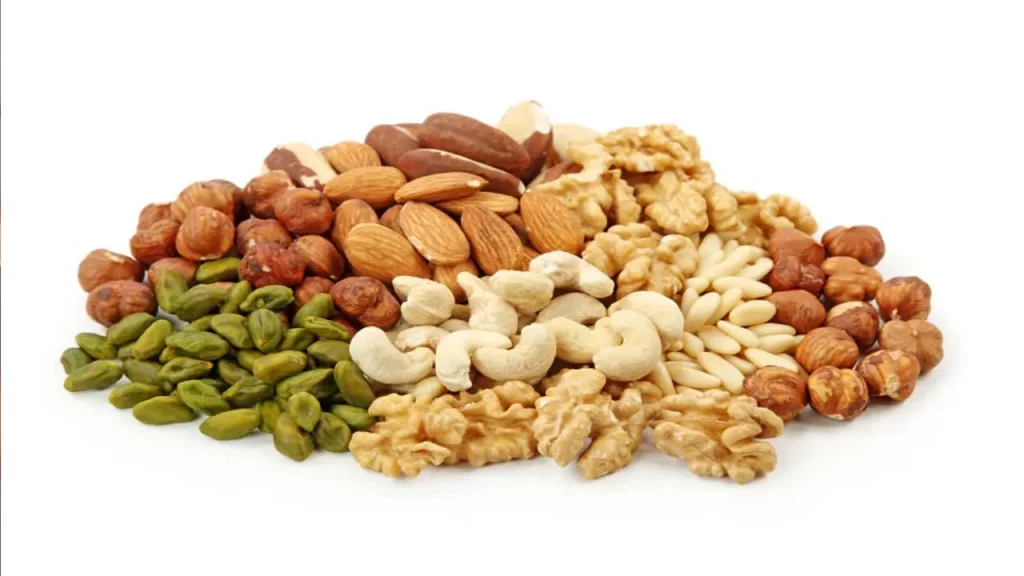
Nuts, seeds, and legumes are nutrient-dense foods that play a vital role in maintaining wellness and are considered essential foods for prostate health. They provide a powerful combination of healthy fats, plant-based proteins, vitamins, and minerals that support hormone balance and reduce inflammation. Regularly including them in the diet can help lower the risk of BPH and prostate cancer while also boosting energy levels and supporting overall well-being.
Health Benefits:
- Pumpkin seeds are rich in zinc, a mineral crucial for healthy prostate function and urinary control. Zinc also helps regulate testosterone levels, which play an important role in prostate growth and overall male health.
- Walnuts and Brazil nuts contain selenium and vitamin E, both linked to reduced cancer risk. These nuts also provide healthy fats that support cardiovascular health, which is closely connected to prostate wellness.
- Flaxseeds and chia seeds provide omega-3s and fiber, which help regulate cholesterol and support hormonal health. Their antioxidants further protect cells from damage, reducing the risk of inflammation in the prostate gland.
- Legumes such as beans, lentils, peas, and soy are packed with phytoestrogens, which may slow tumor growth and balance male hormones. They are also excellent sources of plant-based protein, making them a great alternative to red meat.
All foods for prostate health are excellent sources of dietary fiber, aiding digestion and weight management important factors in reducing prostate risk. A high-fiber diet has also been shown to help regulate blood sugar and lower cholesterol, providing additional benefits for men’s overall health.
How to Include Them:
- Snack on a handful of mixed nuts daily instead of processed snacks.
- Add chia or flaxseeds to smoothies, yogurt, or oatmeal.
- Use pumpkin seeds as a topping for salads, soups, or roasted vegetables.
- Replace red meat with beans or lentils in soups, stews, or curries for a protein boost.
- Try soy-based foods such as tofu or soy milk as part of a balanced, plant-based diet.
Green Tea and Herbal Teas
Green tea is one of the most researched beverages when it comes to foods for prostate health. It contains powerful antioxidants called catechins, especially EGCG, which help fight inflammation and protect prostate cells from damage. Drinking green tea regularly has been linked to lower PSA levels and a reduced risk of prostate cancer. Herbal teas such as rooibos, chamomile, and hibiscus can also provide additional benefits for men’s wellness.

Health Benefits:
- Reduces prostate cancer risk by supplying catechins that prevent abnormal cell growth and strengthen immunity. This makes green tea one of the most valuable foods for prostate health in a daily diet.
- Lowers PSA (prostate-specific antigen) levels, which are often elevated in men with prostate enlargement or cancer. Lower PSA levels are an important marker of better prostate function.
- Improves urinary health by reducing inflammation in the urinary tract, easing discomfort, and improving bladder control.
- Supports overall wellness by boosting metabolism, aiding weight management, and providing hydration all of which are linked to better prostate outcomes.
How to Include Them:
- Drink 1–2 cups of freshly brewed green tea daily, either hot or iced.
- Combine green tea with lemon to boost antioxidant absorption.
- Try herbal teas such as chamomile or rooibos in the evening for relaxation without caffeine.
- Replace sugary drinks or sodas with green or herbal tea to naturally support prostate health.
Other Superfoods for Prostate Health

Garlic and Onions: Garlic and onions are more than just flavor enhancers; they are valuable foods for prostate health. Rich in sulfur compounds, they may help reduce prostate cancer risk and lower inflammation in the gland. Studies show that men who include garlic and onions in their diet regularly may experience fewer symptoms of BPH (benign prostatic hyperplasia). Since they also support heart and immune health, garlic and onions provide a double benefit when it comes to maintaining overall wellness.
Turmeric: Turmeric, often called the “golden spice,” is a powerful addition to foods for prostate health. Its active compound, curcumin, has natural anti-inflammatory and antioxidant effects. Research indicates that curcumin may slow the growth of prostate cancer cells and reduce swelling in the gland. Adding turmeric to soups, curries, or teas not only improves taste but also contributes to a diet that supports long-term prostate protection.
Asian Mushrooms: Shiitake, maitake, and reishi mushrooms are considered some of the best foods for prostate because they contain compounds like lentinan, which boost the immune system and may slow tumor growth. These mushrooms are also rich in selenium and vitamin D, both of which play key roles in prostate wellness. Easy to add to soups, stir-fries, or stews, Asian mushrooms bring both nutrition and flavor to everyday meals.
Citrus Fruits: Oranges, lemons, grapefruits, and limes stand out as refreshing and protective foods for prostate health. They are excellent sources of vitamin C, which lowers inflammation, supports urinary function, and strengthens immunity. Regular consumption of citrus fruits may reduce the risk of prostate enlargement and provide hydration that supports urinary health. Adding a serving of citrus each day is a simple way to complement other prostate-friendly foods.
Cayenne Pepper: Cayenne pepper is a surprising yet powerful spice to include in foods for the prostate. It contains capsaicin, a compound shown in studies to kill prostate cancer cells and slow tumor spread. Beyond its anticancer potential, cayenne also improves blood circulation and supports metabolism, helping men maintain a healthy weight, another factor linked to prostate wellness. Sprinkling cayenne into soups, marinades, or sauces is a flavorful way to add both heat and health benefits.
What Are the Worst Foods for Prostate Health?
When it comes to protecting the prostate, some foods can make symptoms worse or increase long-term risks. The worst foods for prostate health are those that trigger inflammation, disrupt hormone balance, or put extra stress on the urinary system.

- Red and Processed Meats: High in saturated fats and chemical preservatives, these meats may increase the risk of prostate cancer and worsen inflammation.
- Full-Fat Dairy Products: Whole milk, cheese, and butter contain unhealthy fats that are not considered supportive foods for the prostate and may contribute to prostate enlargement.
- Fried and Fast Foods: Deep-fried items, packaged snacks, and fast foods are loaded with trans fats and sodium, both of which can irritate the prostate and bladder.
- Sugary Foods and Drinks: Excess sugar can lead to weight gain, insulin resistance, and inflammation, which all negatively impact prostate function.
- Alcohol and Caffeine: These irritants can make urinary symptoms worse, especially for men with BPH, and interfere with hormone regulation.
- Spicy Foods: While not harmful for everyone, overly spicy meals may irritate the bladder lining and worsen discomfort in men already dealing with prostate issues.
By avoiding or limiting these items and focusing on nutrient-rich foods for prostate health such as vegetables, fatty fish, and legumes, men can reduce risks and support long-term wellness.
Why Prostate Health Matters
Urinary function: An enlarged prostate presses on the urethra, causing frequent or painful urination. Men may also experience a weak urine stream, dribbling, or the need to urinate more often at night (nocturia). Over time, this can affect sleep quality and daily energy levels.
Sexual health: Prostate issues may contribute to erectile dysfunction and reduced fertility. Since the prostate produces seminal fluid that supports sperm health, problems with the gland can impact both performance and reproductive ability. Some men may also experience reduced libido due to hormonal imbalance connected with prostate disorders.
Cancer prevention: Prostate cancer is one of the most common cancers among men, but diet and lifestyle can lower the risk. Eating antioxidant-rich foods, exercising regularly, and maintaining a healthy weight may reduce inflammation and slow the growth of abnormal prostate cells. Early detection through screenings also plays a crucial role in prevention.
Common Prostate Conditions
Men often begin to notice prostate-related issues after their fifties, ranging from discomfort during urination to waking up several times at night to use the bathroom. The most common concerns fall into three main categories. Prostatitis is an inflammation of the prostate that can cause burning pain, pelvic discomfort, or difficulty while urinating.
Benign Prostatic Hyperplasia (BPH) is a noncancerous enlargement of the prostate that presses on the urethra, leading to frequent urination, weak urine flow, or difficulty emptying the bladder. Finally, prostate cancer is one of the most common cancers among men, and while age and genetics are key risk factors, a balanced lifestyle supported by the right foods for prostate health can play a major role in lowering the risk and slowing progression.
How to Improve Prostate Health Naturally with Foods
Improving prostate health naturally starts with making smarter dietary choices. Research shows that eating nutrient-dense foods such as cruciferous vegetables, tomatoes, fatty fish, nuts, and legumes can lower inflammation, balance hormones, and reduce the risk of common prostate problems like BPH and prostate cancer. Adding citrus fruits, green tea, and antioxidant-rich berries to your meals further boosts immunity and strengthens urinary health, making these some of the best foods for prostate health.
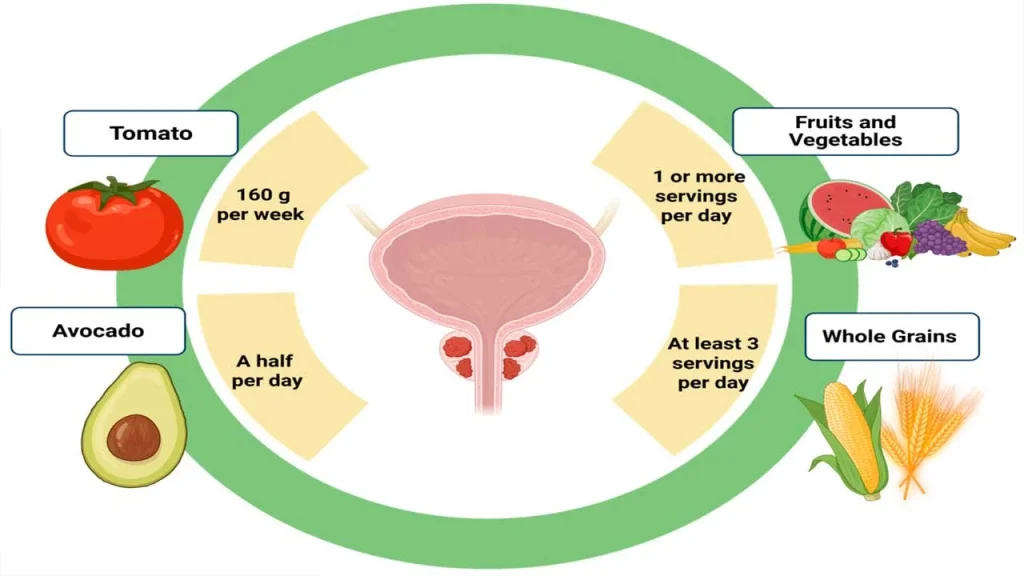
The key is to focus on variety and consistency. A balanced diet rich in plant-based proteins, healthy fats, and antioxidant-packed fruits and vegetables provides long-term benefits for the prostate. Replacing red and processed meats with fiber-rich legumes or omega-3-rich fish helps lower risk, while small daily habits like drinking green tea or snacking on pumpkin seeds can naturally improve prostate wellness. When combined with regular exercise and a healthy weight, these foods for the prostate become powerful tools for maintaining vitality and reducing future complications.
Lifestyle Tips for Prostate Health
- Stay Active: Regular exercise like walking, swimming, or light jogging improves blood circulation, helps maintain a healthy weight, and reduces inflammation. Physical activity also enhances the effectiveness of foods for prostate health by supporting better nutrient absorption.
- Maintaining a Healthy Weight: Obesity is linked to higher risks of BPH and prostate cancer. Combining balanced meals with daily movement ensures better control over weight and hormone balance.
- Manage Stress: High stress can disrupt hormones and worsen prostate symptoms. Practices such as meditation, yoga, and deep breathing work well alongside a diet rich in foods for the prostate.
- Stay Hydrated: Drinking enough water supports urinary health and flushes toxins from the body. Pairing hydration with nutrient-dense foods keeps the prostate functioning optimally.
- Get Regular Screenings: Men over 50 should schedule routine prostate exams. Early detection, combined with lifestyle adjustments and foods for the prostate, provides the best long-term protection.
- Limit Harmful Habits: Cut back on smoking, alcohol, and excessive caffeine. These irritants can weaken the benefits gained from a diet focused on prostate-friendly foods.
Conclusion
Taking care of your prostate doesn’t have to be complicated. Small, consistent changes in daily habits and diet can make a big difference. Adding cruciferous vegetables, berries, tomatoes, fatty fish, nuts, and green tea provides some of the most effective foods for prostate health, while limiting red meat, processed foods, and excess dairy helps reduce risks.
Pairing these foods with healthy lifestyle choices such as regular exercise, stress management, proper hydration, and routine screenings creates a strong foundation for long-term prostate wellness. By focusing on prostate-friendly nutrition and mindful habits, men can protect their prostate naturally, lower the chances of future complications, and enjoy a healthier, more active life.