

Your Topics Multiple Stories: Creative Ideas for Content Creation and SEO

As a content creator, I’ve always believed in the power of storytelling. But as the digital landscape evolves, I’ve realized that traditional storytelling isn’t enough to capture the attention of today’s diverse audience. That’s where the concept of “Your Topics Multiple Stories” comes in. This approach allows us to explore a single topic from multiple perspectives, offering fresh angles, emotions, and insights. By presenting the same subject through different lenses whether it’s through varying characters, tones, or settings we create content that resonates deeply with a wider range of people.
In this blog, I’m excited to share how this strategy can elevate your content, enhance SEO performance, and build long-term audience engagement. Whether you’re a marketer, educator, or content creator, “Your Topics Multiple Stories” is the key to crafting dynamic, multifaceted content that captivates and inspires. Let’s dive into how you can start using this method to take your storytelling to the next level.
What Does “Your Topics Multiple Stories” Mean?
“Your Topics Multiple Stories” refers to the approach of exploring a single core topic through multiple narratives, each offering a distinct interpretation or angle. It allows the same subject to unfold in various ways, catering to different perspectives, characters, tones, settings, and genres. This method adds depth to the topic, enabling it to resonate with a wider audience and enhancing its engagement. Here’s how different elements contribute to this storytelling approach:
- Perspective: This refers to how the story is told based on the viewpoint of the narrator or characters. A single topic can be approached from various perspectives whether it’s from an insider’s view, an outsider’s viewpoint, or even from a historical or futuristic angle.
- Character: The characters in each story offer different interpretations of the same topic. By changing the protagonist or the people involved, the story can evoke various emotions and highlight different aspects of the theme, such as personal struggles, achievements, or external conflicts.
- Tone: The tone of the story determines its mood and emotional resonance. The same topic can be presented in a serious, light-hearted, humorous, or dramatic tone, giving the audience multiple ways to connect with the content based on their preferences.
- Setting: Changing the setting can drastically alter the context in which a topic is explored. Whether set in the past, present, or future, or in a real-world or fictional environment, the setting provides a backdrop that influences how the story unfolds and shapes the audience’s understanding of the subject.
- Genre: The genre dictates the style of storytelling. A single topic can be explored through different genres, such as drama, comedy, thriller, or science fiction, each adding its own flair and approach to the subject, offering new insights and keeping the content fresh.
Through these different elements, “Your Topics Multiple Stories” allows a topic to be explored in a dynamic, engaging way, offering variety and depth that appeals to diverse audiences.
The Evolution of Storytelling
Storytelling has always been an essential part of human culture, evolving from oral traditions to written forms like books and plays. Over time, the way we tell stories has adapted to new mediums, from radio and television to digital platforms like blogs, podcasts, and social media. The introduction of “Your Topics Multiple Stories” is the next step in this evolution, offering a fresh way to explore a single topic through multiple narratives.
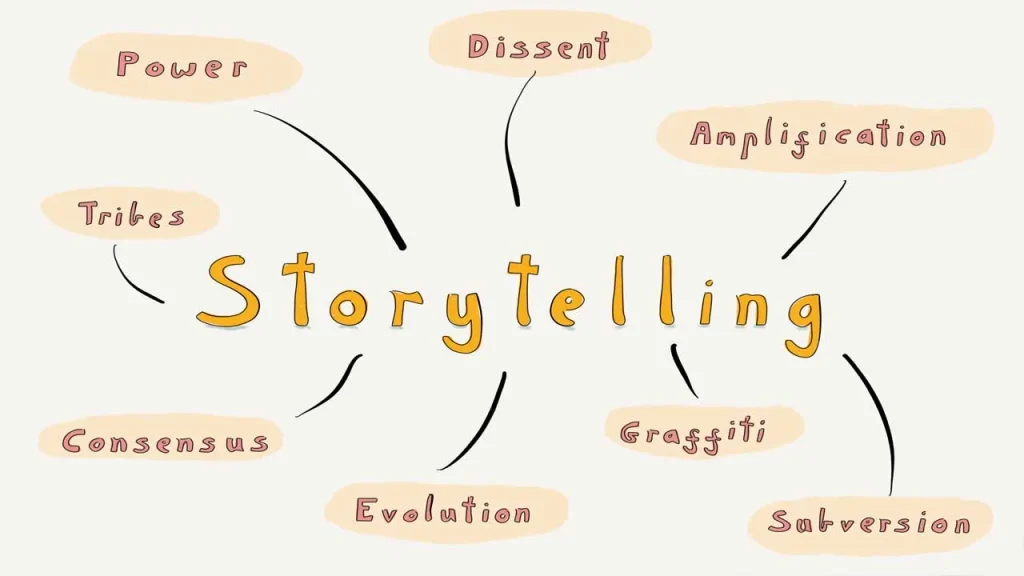
In the past, stories followed a linear structure with one central narrative. However, as content consumption has become more dynamic, there’s a growing need for multiple perspectives on the same topic. “Your Topics Multiple Stories” allows for storytelling that embraces variety, whether through different viewpoints, characters, or themes. This approach caters to diverse audience preferences, making stories more engaging and accessible to a wider range of people.
With the rise of digital platforms and SEO-driven content, the ability to present a single idea from multiple angles not only keeps audiences interested but also boosts visibility across search engines. By using varied narratives under one umbrella topic, creators can target different keywords and user intents, ensuring that their content stands out and reaches the right people.
Why Is Using Multiple Stories for One Topic Important?
Using multiple stories for one topic is crucial because it enriches the content by presenting it from diverse perspectives, allowing it to resonate with a wider audience. Rather than limiting the topic to a single narrative, this approach helps to break down complex ideas into more digestible, varied stories. It also taps into different audience interests, ensuring that each person finds a version of the story that speaks to them, whether it’s an emotional angle, a factual perspective, or a personal story.
This method also enhances engagement by keeping the audience interested. Each story offers something new, preventing the content from feeling repetitive or monotonous. When people are presented with different angles, they are more likely to stay engaged, spend more time on your content, and return for further exploration. This, in turn, increases the time spent on the page, which can positively impact SEO rankings and improve the overall user experience.
Moreover, using multiple stories for one topic helps create a comprehensive understanding of the subject. By providing different viewpoints, characters, tones, and genres, you offer a multi-dimensional exploration of the topic, giving the audience a fuller picture. This approach doesn’t just increase the depth of the content but also helps in building trust with your audience, as they can see the topic explored from a variety of angles, making your content feel more thorough and credible.
How to Develop Multiple Stories from a Single Topic
- Caters to Diverse Audience Preferences
People connect with stories in different ways, and the “Your Topics Multiple Stories” approach taps into this diversity. Some individuals enjoy emotional, character-driven narratives that evoke feelings, while others prefer analytical, data-driven stories that provide in-depth insights. By presenting the same core topic from various perspectives whether it’s a light-hearted, serious, or reflective angle you ensure there’s something for everyone. This versatility makes your content more accessible and appealing, ultimately widening its reach and enhancing engagement with a broader audience. - Improves SEO Performance
The multi-story approach significantly boosts SEO by allowing you to target various long-tail keywords and user intents within a single topic. Each narrative angle can address a specific aspect of the subject, making it easier to rank for different search queries. This strategy helps avoid content cannibalization, where multiple articles on the same topic compete for the same keyword. By diversifying how the topic is presented, you increase the content’s chances of ranking on multiple search engine results, improving its visibility and driving more organic traffic. - Fosters Deeper Engagement
When you offer multiple stories under one umbrella topic, it encourages users to engage more deeply with your content. Readers or viewers are more likely to explore various versions, each offering a fresh perspective, which leads to longer interaction times. The deeper connection people feel with the content results in increased dwell time and more opportunities for social sharing or comments. This type of engagement not only strengthens the bond between creators and their audience but also helps build a loyal community that keeps returning for more.
Examples of Topics That Can Lead to Multiple Stories
Your Topics Multiple Stories naturally lend themselves to a variety of stories, offering endless possibilities for different narratives. Here are a few examples of such topics and how they can unfold into multiple stories:
Climate Change

- Environmental Impact: A story focusing on the devastation of ecosystems and species.
- Technological Solutions: A narrative highlighting innovative technologies designed to combat climate change.
- Personal Stories: A story from the perspective of a climate activist or a community affected by environmental changes.
- Government Action: A focus on policies and governmental efforts aimed at reducing carbon footprints.
Technology
- Historical Development: A look at the evolution of a specific technology, like the internet or smartphones.
- Impact on Daily Life: A story of how technology has revolutionized daily activities, from communication to work.
- Ethical Issues: Exploring the ethical dilemmas of artificial intelligence, data privacy, or surveillance.
- Future Possibilities: Speculations on how emerging technologies like virtual reality or quantum computing will shape the future.
Health and Wellness
- Physical Health: A story focused on fitness routines, diet tips, or overcoming health challenges.
- Mental Health: A narrative about the importance of mental well-being, personal struggles with mental health, or therapeutic approaches.
- Medical Innovations: Exploring new breakthroughs in medicine, such as gene editing or the development of new vaccines.
- Holistic Health: A look at alternative medicine, mindfulness practices, or the mind-body connection.
A Birthday Surprise

- Heartwarming Moment: A story about a surprise birthday party, with heartfelt emotions and connections between friends and family.
- Unexpected Twist: A narrative about a birthday surprise that goes wrong or leads to an unexpected outcome.
- Generational Celebration: A story exploring how different generations celebrate birthdays, from kids to the elderly.
- Personal Growth: A story of someone reflecting on their life during their birthday celebration, marking milestones or changes over the years.
A Missing Pet
- Heart breaking Search: A story about a pet going missing and the emotional journey of the pet owner trying to find them.
- Unexpected Reunion: A narrative of hope and joy when a lost pet is found, bringing the family back together.
- Community Involvement: A focus on how the local community comes together to help find a missing pet.
- The Impact of Loss: A story about the emotional toll of losing a pet and the healing process after the loss.
Social Media

- The Power of Influence: A story about the rise of influencers and their impact on consumer behavior.
- Mental Health: Exploring how social media affects self-esteem, anxiety, and overall well-being.
- Business and Marketing: A focus on how brands use social media platforms for marketing and customer engagement.
- Addiction and Dependency: A story addressing the darker side of social media, such as addiction and its societal consequences.
These examples show how a single topic can open up a range of different stories, each with its own angle, tone, and focus. By exploring topics this way, content creators can offer a well-rounded, engaging experience that connects with a diverse audience.
Real-World Applications of “Your Topics Multiple Stories”
In Business and Marketing
In business and marketing, “Your Topics Multiple Stories” can be a powerful strategy for creating diverse content that appeals to various customer segments. By approaching a single product or service from different angles, businesses can engage with different audiences based on their needs and interests. For example, a company selling a fitness product might present one story focused on its health benefits, another on its ease of use, and a third on success stories from real customers. This variety in storytelling helps the brand connect with a wider audience, increasing engagement and driving higher conversions. By tailoring multiple stories to different customer personas, businesses can strengthen their brand’s presence, build trust, and increase customer loyalty.
In Education
“Your Topics Multiple Stories” is also incredibly effective in the education sector. It enables educators to present complex concepts in a way that resonates with diverse student learning styles. For example, in teaching history, one lesson could focus on the political aspect of a historical event, while another might explore the social or emotional impact on the people involved. This approach allows students to approach a single topic from different perspectives, encouraging critical thinking and deeper understanding. By using multiple narratives, educators can engage students with various interests and make learning more inclusive and dynamic. Additionally, this method fosters empathy as students explore stories from different viewpoints, broadening their understanding of global issues and diverse cultures.
In Media
In the media, “Your Topics Multiple Stories” offers an excellent way to create more compelling and comprehensive content. For journalists and content creators, presenting a topic from multiple angles increases the depth and breadth of the coverage. A news article on a major event, for instance, could offer one story from the perspective of the people directly affected, another from the viewpoint of industry experts, and yet another analyzing the broader political or economic implications. This multi-narrative approach not only engages a wider audience but also enhances the credibility and authority of the media outlet by providing well-rounded, diverse perspectives. By using multiple stories, media outlets can cater to different audience needs while enriching the conversation around a given topic.
Why Multi-Storytelling Builds Audience Loyalty
One of the long-term advantages of using “Your Topics Multiple Stories” is its ability to build audience loyalty. When you consistently offer diverse perspectives on a topic, you cater to various interests, helping to form a deeper connection with your readers or viewers. By telling stories from different angles whether through varied characters, settings, or emotional tones you allow your audience to engage with the content in a way that feels personal to them.
Moreover, presenting multiple stories under a single topic shows that you are committed to offering value and addressing your audience’s needs. It invites them to keep returning for more, knowing that each time they engage with your content, they will discover something new. This method builds trust over time, as your audience sees that you are providing a comprehensive exploration of the topic and are willing to meet their interests with fresh perspectives. As a result, this fosters stronger, more loyal relationships, encouraging continued engagement and sharing across platforms.
How to Implement “Your Topics Multiple Stories”
Implementing “Your Topics Multiple Stories” effectively requires a strategic approach to ensure each narrative is engaging, relevant, and serves a specific purpose. Here’s a step-by-step guide on how to integrate this method into your content creation process:
Step 1: Choose a Core Topic
Start by selecting a broad topic that allows for multiple interpretations or angles. The topic should be rich enough to support various narratives and diverse perspectives. It could be anything from a social issue to a product or service. The key is to choose a subject that can be explored from different viewpoints without losing its focus. For instance, “sustainability” can be approached from environmental, economic, and social perspectives, each offering unique stories.
Step 2: Identify Sub-Narratives
Once you have your core topic, break it down into smaller, more specific subtopics or angles. Each sub-narrative should focus on a particular aspect of the main topic. For example, if the topic is “climate change,” the sub-narratives could include the impact on wildlife, solutions from technology, and personal stories of climate activists. These different angles ensure the content remains fresh and engaging, offering new insights with each story.
Step 3: Determine Your Audience
Consider who you are writing for and tailor each story to different audience segments. The beauty of “Your Topics Multiple Stories” is that it allows you to create content that speaks directly to varied groups. For instance, a business audience may be interested in the economic implications of a topic, while a general audience might relate more to personal stories or practical tips. Understanding your audience will help you create targeted narratives that resonate with them.
Step 4: Choose Your Content Formats
To truly maximize the impact of “Your Topics Multiple Stories,” experiment with different content formats. Not every story needs to be a written article. You can diversify your approach by using blog posts, videos, infographics, podcasts, and social media posts. Each format can present a different version of the story, reaching your audience in the way they prefer to consume content. For example, a case study might work well as a blog post, while a customer testimonial could be better suited to a video format.
Step 5: Connect Your Stories
Although each narrative can stand alone, they should all connect back to the core topic and work together to tell a complete story. Use internal linking to guide your readers through the different stories, creating a cohesive experience. For example, if you have multiple blog posts on the same subject, link them to one another so readers can explore all the related stories. This approach not only enhances user engagement but also improves your SEO by linking relevant content.
Step 6: Measure and Adjust
After publishing your content, monitor how each story performs and gather feedback. Use analytics tools to track engagement, bounce rates, and conversion rates for each narrative. Based on these insights, make adjustments to improve the stories, fine-tuning them to better align with user interests. Continuously refining your content strategy will help you maintain the relevance and impact of your multiple stories.
Optimizing Your Stories for Different Platforms
When using the “Your Topics Multiple Stories” approach, it’s essential to tailor your content for different platforms to ensure maximum engagement and reach. Each platform has its unique characteristics, and by customizing your stories for each, you can effectively cater to the preferences of your audience.
For example, blogs are perfect for in-depth articles and long-form storytelling, where you can explore the multiple angles of a topic in detail. On the other hand, social media platforms like Instagram or Twitter require more concise, visually appealing stories. A quick, engaging caption with a compelling image or video might be more effective for a topic like “A Birthday Surprise” than a lengthy blog post. Meanwhile, podcasts allow you to dive deep into personal stories, offering a more intimate and conversational approach, which is perfect for engaging listeners in a relaxed, narrative-driven format. For YouTube or video platforms, stories can be enhanced with visuals, animation, or interviews, making the content dynamic and engaging for visual learners.
By optimizing how you present your stories on each platform, you ensure that your content resonates with the audience in the format they prefer, increasing your overall reach and engagement.
Overcoming Challenges in Multi-Storytelling
When working with “Your Topics Multiple Stories,” one of the main challenges is ensuring each story offers something unique without too much overlap. It’s crucial to clearly define the focus of each narrative. For example, if the topic is “technology,” one story could highlight its impact on daily life, another could explore how it transforms industries, and a third might examine ethical considerations. This way, each narrative stays fresh and adds value without repeating the same information.
Another challenge is maintaining a sense of cohesion across multiple stories. With different perspectives, there’s a risk that the content might feel disconnected. To address this, it’s important to keep the core topic consistent across all narratives while tailoring each angle to different subtopics or emotional tones. A unified message that ties all the stories together ensures that the audience experiences a smooth, comprehensive exploration of the topic, even as they explore different facets of it.
Managing SEO is also key when working with multiple stories. It’s essential to target specific long-tail keywords and user intents for each narrative to avoid content cannibalization. For example, if your topic is “fitness,” one story could focus on “beginner workout routines,” while another could target “advanced fitness techniques.” This helps each story rank for its own set of keywords, ensuring they all work together to improve your SEO without competing for the same search terms.
Common Mistakes to Avoid When Creating Multiple Stories
One common mistake when creating multiple stories for a single topic is failing to clearly define the focus of each narrative. It’s easy for stories to overlap, especially when you’re dealing with a broad subject. This can lead to redundancy, where each version of the story repeats similar information rather than offering unique perspectives. To avoid this, ensure each story in Your Topics Multiple Stories addresses a distinct angle of the topic, whether it’s a different character’s experience, an alternate viewpoint, or a new emotional tone. By defining the specific angle for each story, you ensure they remain fresh, engaging, and informative.
Another pitfall is poor cohesion between the stories. While each narrative in Your Topics Multiple Stories should offer something different, it’s crucial that they all tie back to the central theme in a meaningful way. Without a clear connection, the stories may feel disjointed and fail to provide a holistic view of the topic. Maintaining a consistent tone, style, and message across all stories will help tie them together, making sure they complement one another while still offering variety. This will not only enhance engagement but also improve the overall user experience, ensuring that your audience stays interested and connected throughout.
Future of “Your Topics Multiple Stories”
The future of “Your Topics Multiple Stories” is closely tied to advancements in AI and machine learning, which will enable content creators to generate personalized narratives. As technology evolves, AI can help create tailored content that adapts to individual preferences in real-time, ensuring more engaging and relevant stories for diverse audiences.
Additionally, augmented reality (AR) and virtual reality (VR) will play a significant role in enhancing multi-storytelling by offering immersive, interactive experiences. These technologies will allow audiences to not only consume but actively engage with multiple stories, providing a more dynamic and memorable experience.
Looking ahead, the integration of interactive content and data-driven storytelling will further enrich the multi-storytelling approach. By using analytics to personalize narratives, creators can respond to real-time audience preferences, increasing engagement and relevance. As this approach becomes more refined, the ability to offer tailored experiences at scale will redefine how stories are shared and consumed.
Conclusion
“Your Topics Multiple Stories” is a powerful approach that transforms traditional storytelling by exploring a single topic from multiple perspectives. By tapping into diverse viewpoints, characters, tones, settings, and genres, this method enriches content, enhances audience engagement, and boosts SEO performance. Whether in business, education, or media, the ability to present a topic through various narratives ensures that you cater to different audience interests and needs, making your content more accessible and relatable.
As technologies like AI, AR, and VR evolve, the potential for multi-storytelling will only increase, offering even more immersive and personalized experiences for your audience. By strategically applying this approach, content creators can not only capture a broader audience but also foster deeper, long-term engagement, building trust and loyalty. Ultimately, the future of storytelling is multi-faceted, offering limitless opportunities to create rich, dynamic content that resonates with diverse audiences.